
Introduction
How Our Farm Completes the Circle
A living example of circular farming at Goats in the City.
At Goats in the City, circular farming is part of our everyday operations.
Each year, manure and bedding from our goat barn are collected and composted. The finished compost is returned to our one-acre vegetable garden, where we prepare the soil, grow vegetables and harvest produce.
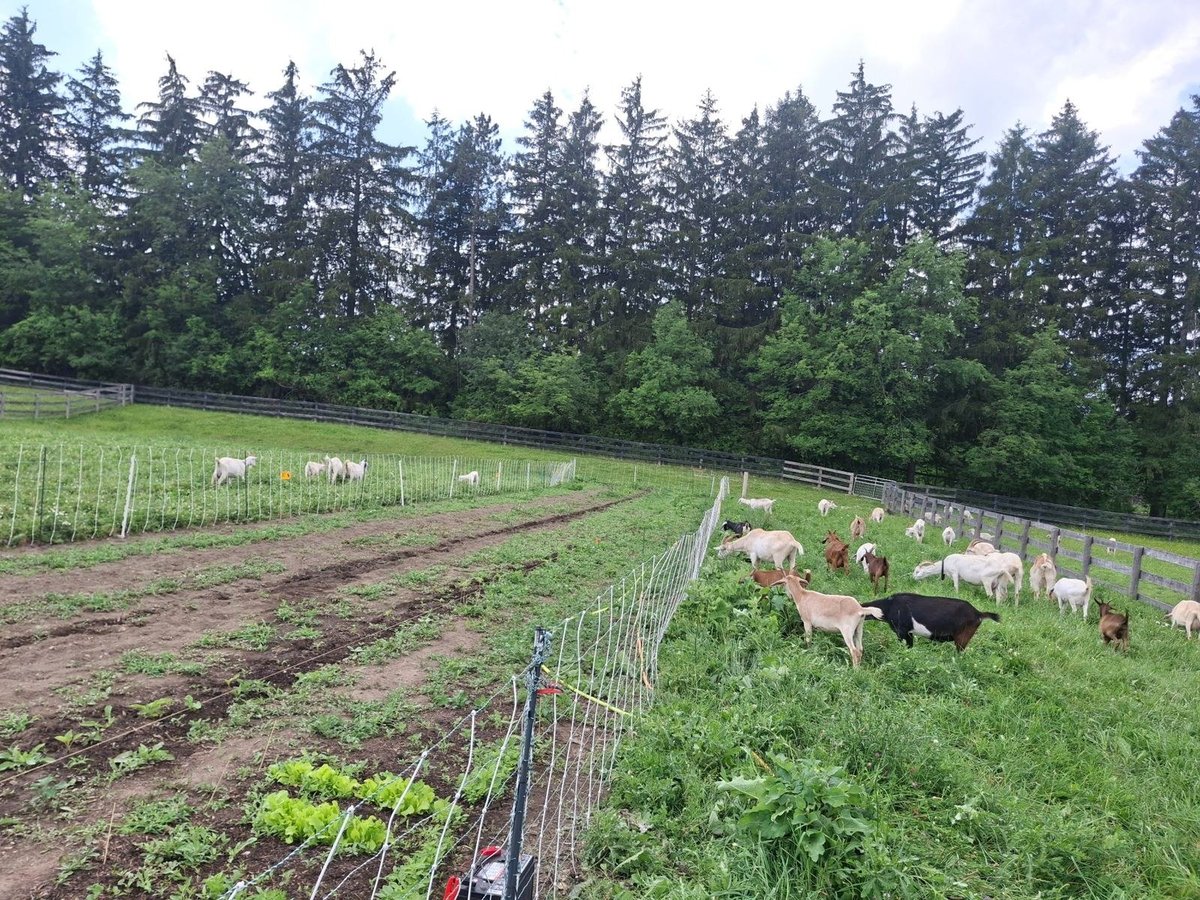
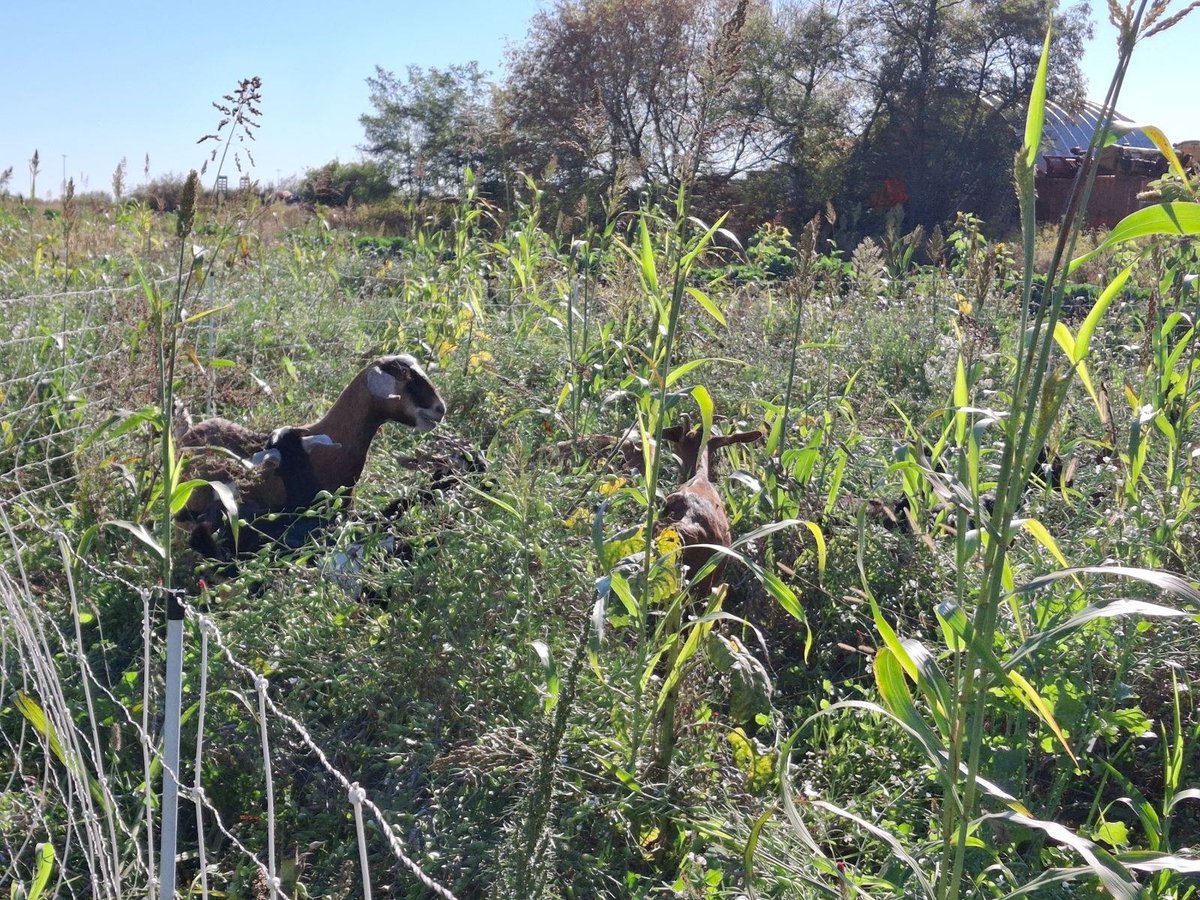
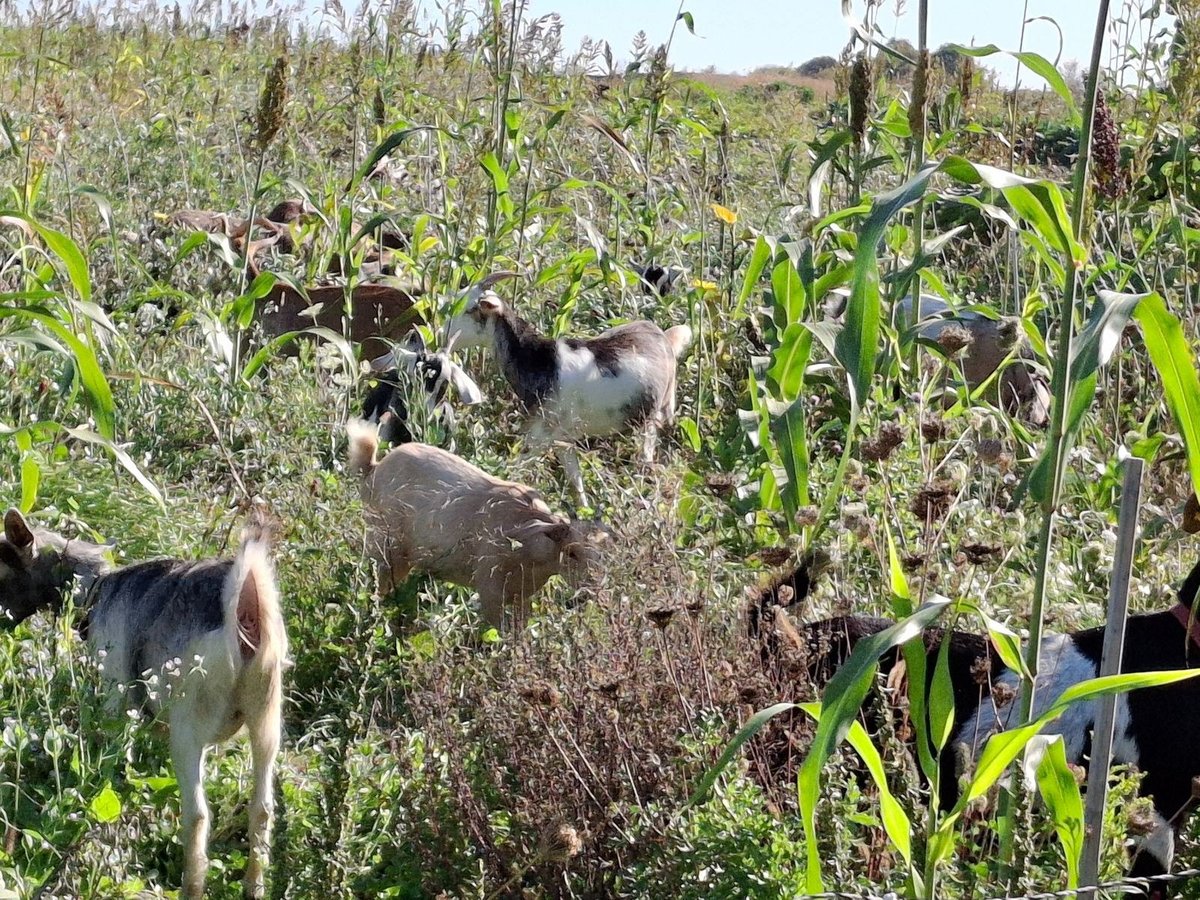
During the growing season, our goats maintain vegetation around the garden using the same controlled grazing principles we apply in our prescribed grazing projects.
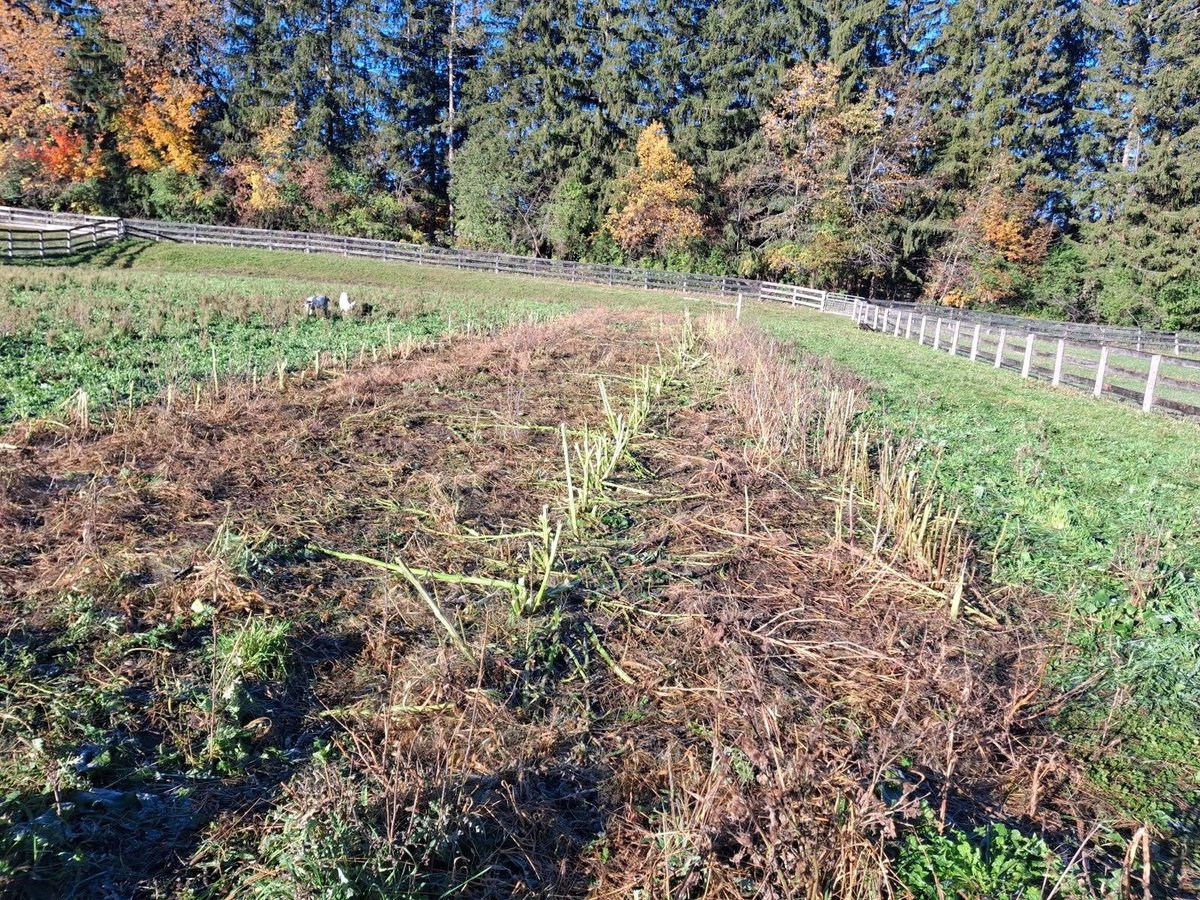
When the harvest is complete, the goats return to the garden itself to help clear suitable remaining vegetation.
The process continues, season after season.
The Cycle
Six Connected Stages
Nature Feeds
the Cycle
Goats → Compost →
Garden → Goats
Goats in the Barn
Collecting Organic Material
Producing Compost
Returning Compost to the Garden
Growing and Harvesting
The Goats Return
Stage 1 of 6
Where the Cycle Begins
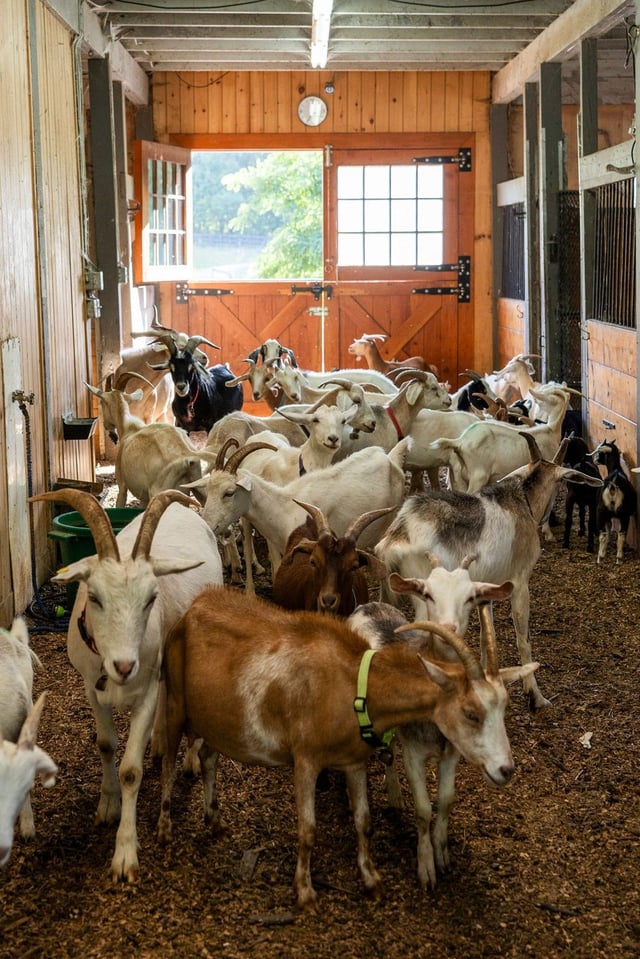
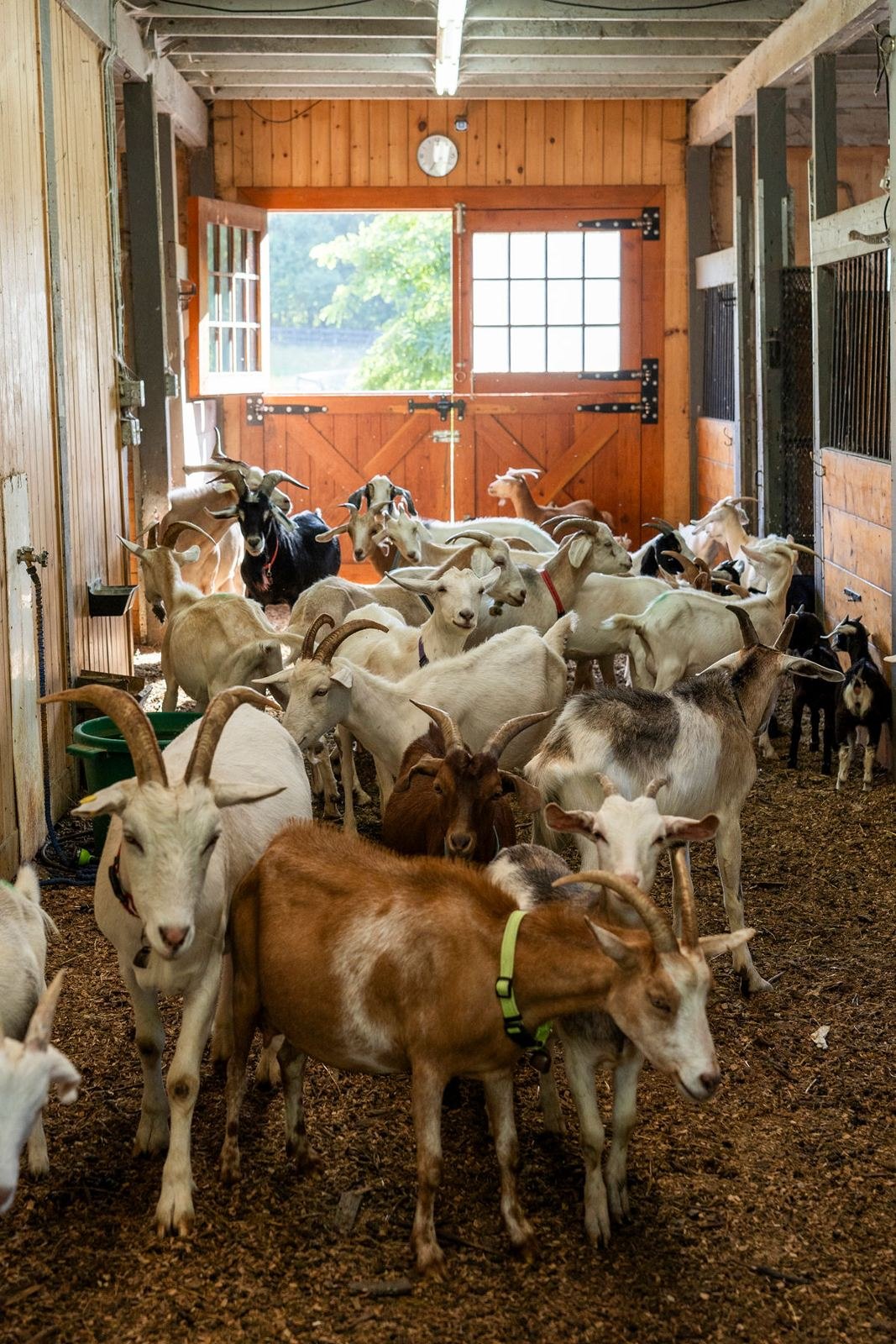
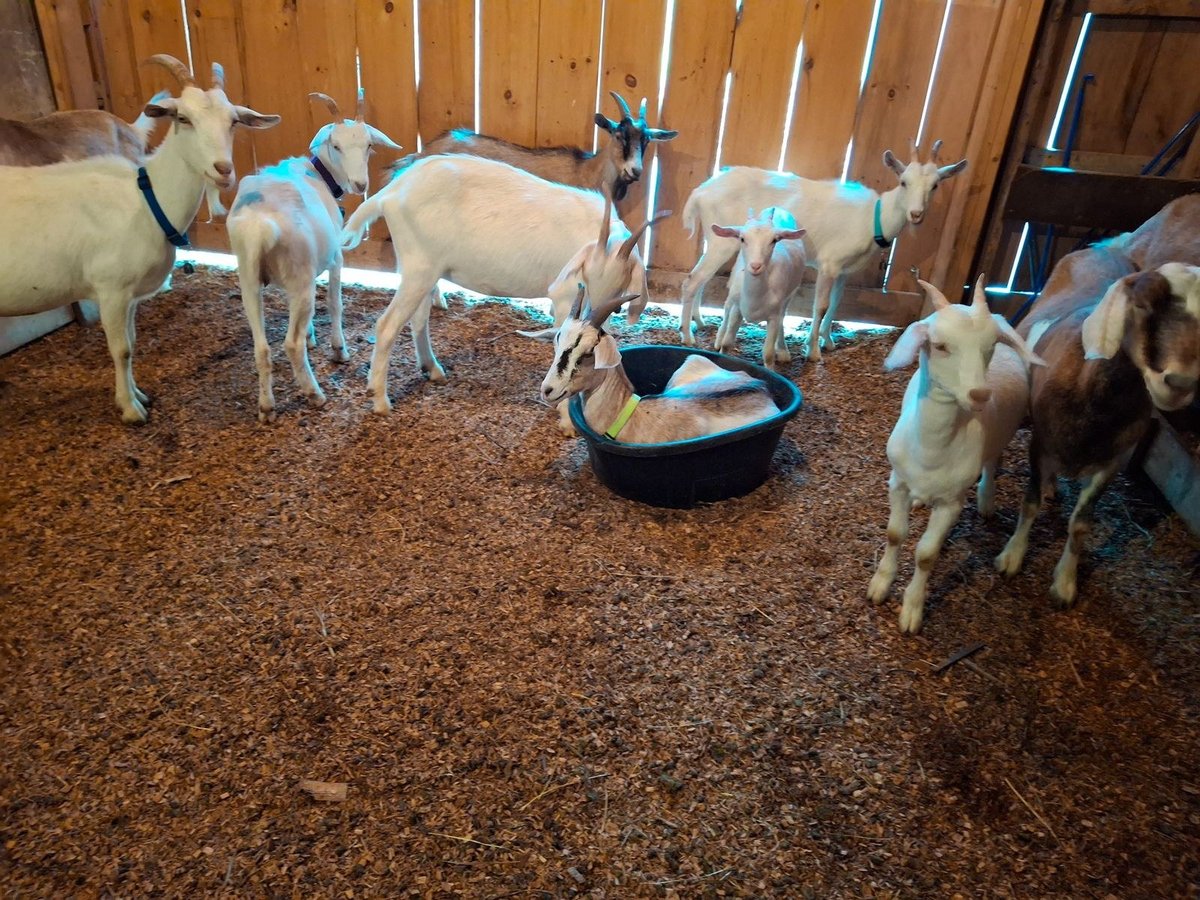
Our goats produce manure and contribute organic bedding material within the barn. These materials are collected and reused as part of our farm's composting operation.
Stage 2 of 6
Collecting Organic Material
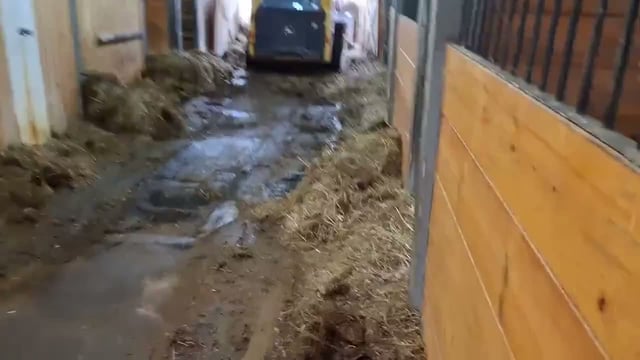
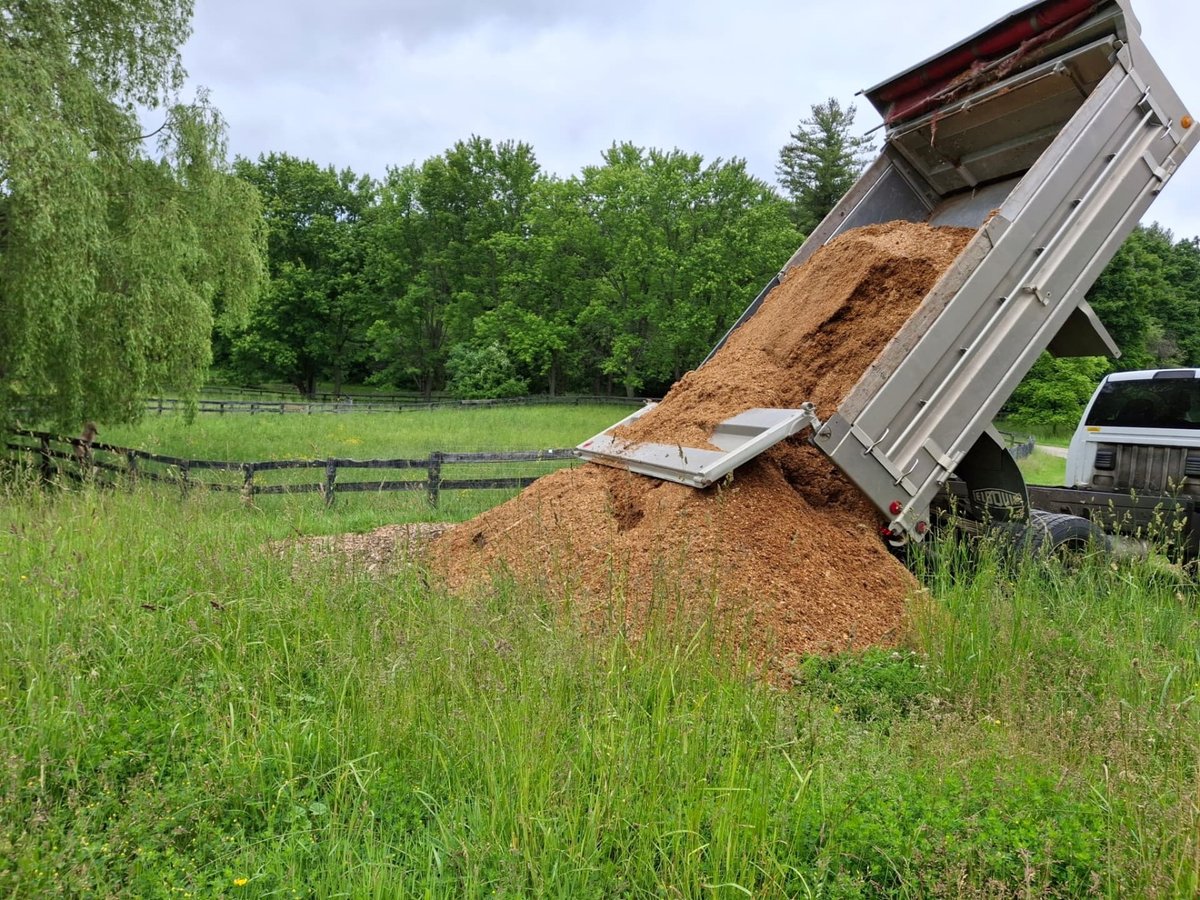
Using farm machinery, we collect manure and used bedding from the barn and move this organic material into the composting process.
This connects routine animal care with the resources used to support our garden.
Stage 3 of 6
Producing Compost
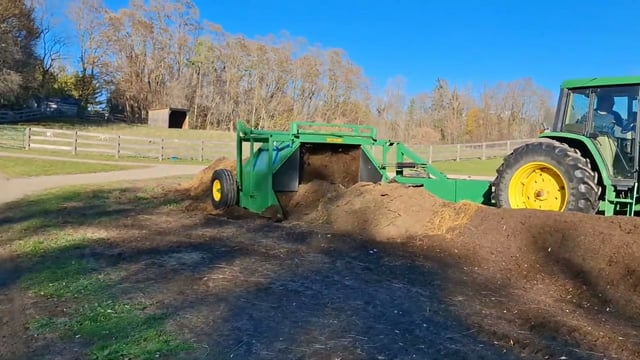
The collected manure and bedding undergo a managed composting process. Mechanical turning helps mix and aerate the material as it decomposes.
Once the composting process is completed, the finished material becomes a valuable amendment for our garden soil.
Stage 4 of 6
Returning Compost to the Garden
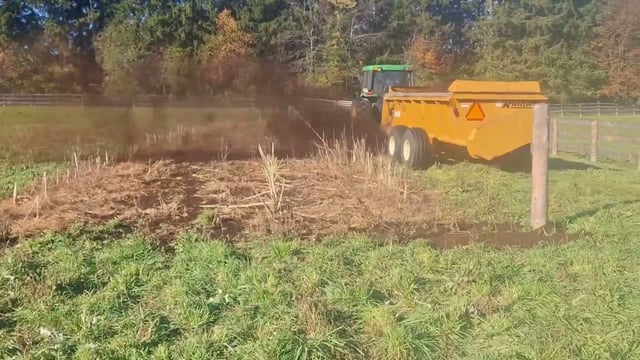
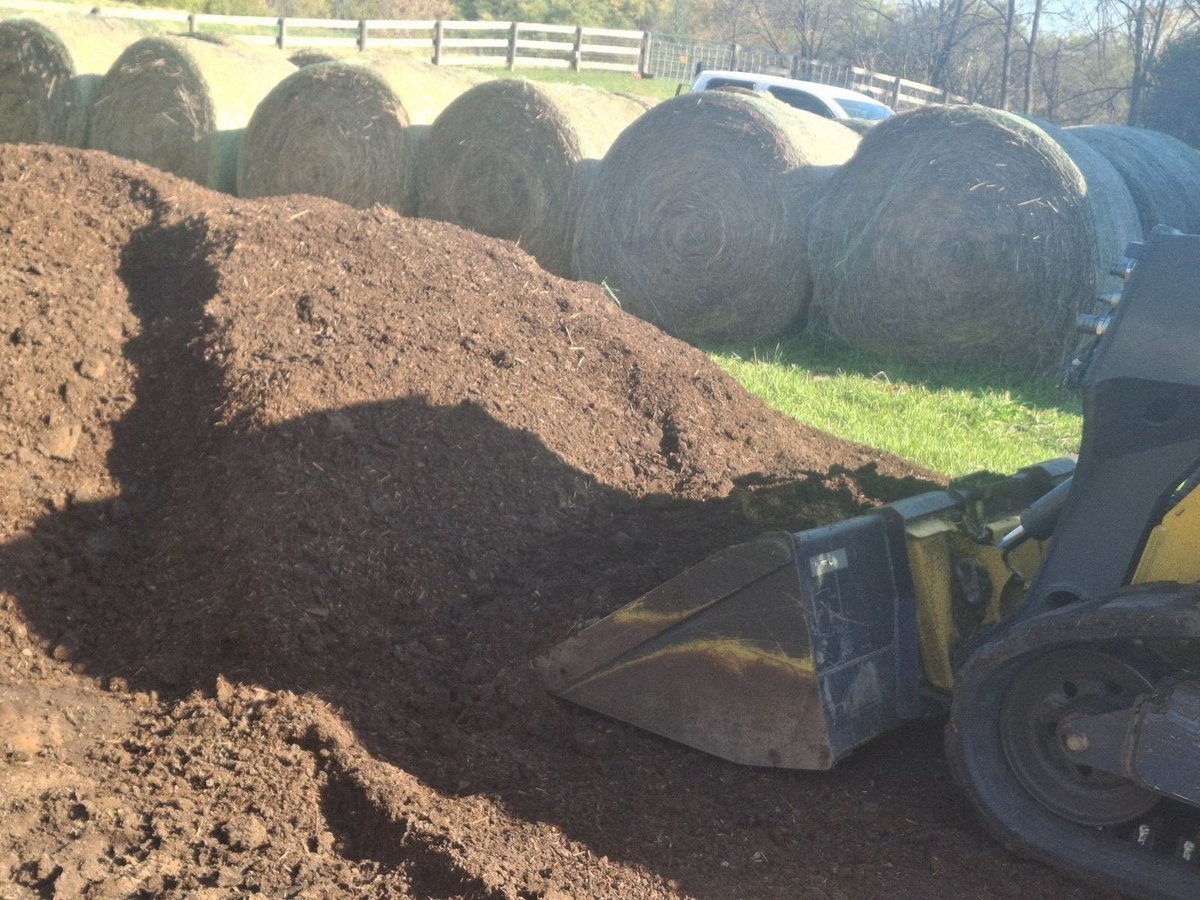
Using our farm equipment, we load and distribute finished compost onto the garden.
The compost returns nutrients and organic matter to the soil, supporting soil health and preparation for the growing season.
The spreading process is also part of our post-harvest preparation for the following year.
Stage 5 of 6
Growing and Harvesting
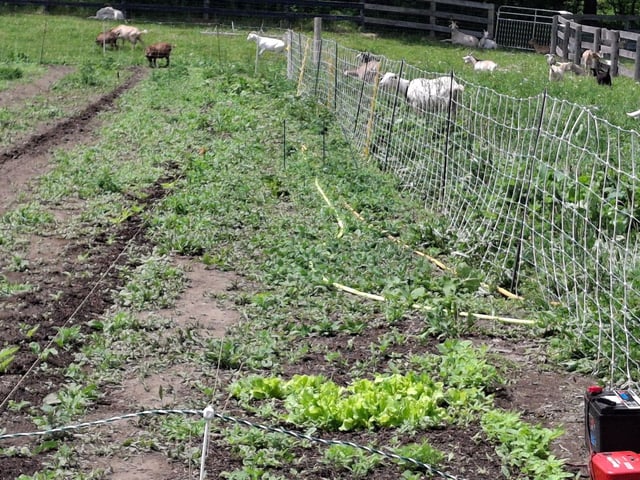
Our one-acre garden is prepared and planted annually. Throughout the growing season, we cultivate vegetables using soil improved with compost produced from our farm's organic materials.
At the end of the growing season, we harvest the produce.
Stage 6 of 6
The Goats Return
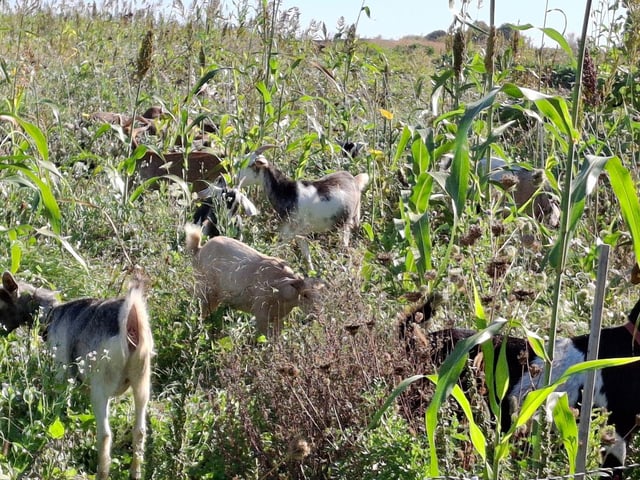
After the harvest, our goats return to the garden to browse and graze suitable remaining plants.
They help clear vegetation and prepare the garden for the next stage of soil management.
This activity completes the visible annual farming cycle.
Prescribed Grazing Starts at Home
Prescribed Grazing Starts at Home
At Goats in the City, we practise the same prescribed grazing principles on our own farm that we use on client projects.
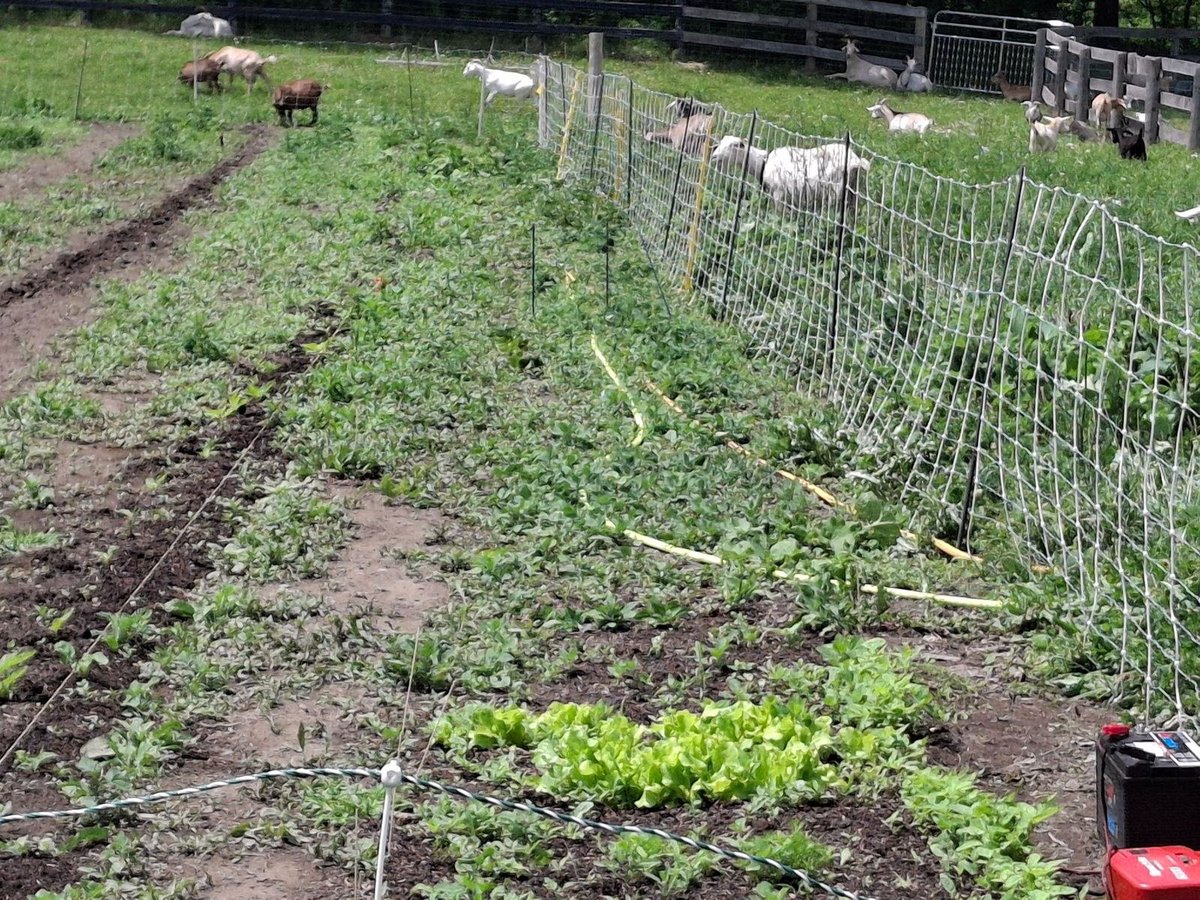
Throughout the growing season, our goats maintain vegetation around the one-acre vegetable garden.
Temporary electric fencing allows us to direct grazing activity while protecting the crops.
Following the harvest, the goats take on another role, grazing suitable vegetation within the garden itself.
These two activities demonstrate how managed grazing supports our farming operation throughout the year.
Explore Prescribed Grazing ServicesWhy It Matters
Why Circular Farming Matters
Organic Resource Recovery
Manure and bedding are collected and composted rather than being treated solely as waste.
Soil Improvement
Finished compost returns nutrients and organic matter to the garden soil.
Local Food Production
The garden produces vegetables as part of the farm's annual growing activities.
Natural Vegetation Management
Goats maintain surrounding vegetation during the growing season and help clear the garden following harvest.
One Farm. One Continuous Cycle.
At Goats in the City, animal care, composting, vegetable production and prescribed grazing are connected through a repeating annual process.
What begins in the barn becomes a resource for the soil. The soil supports the garden. The garden produces food, and the goats return to help prepare the land for another season.
The cycle continues, year after year.