Project Overview
A closer look at this project
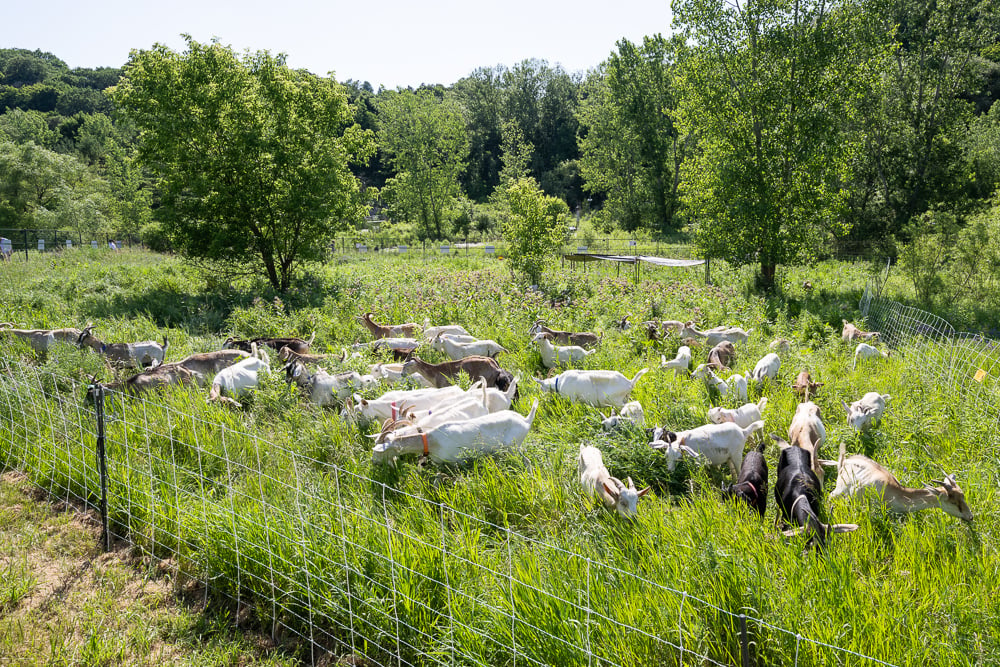
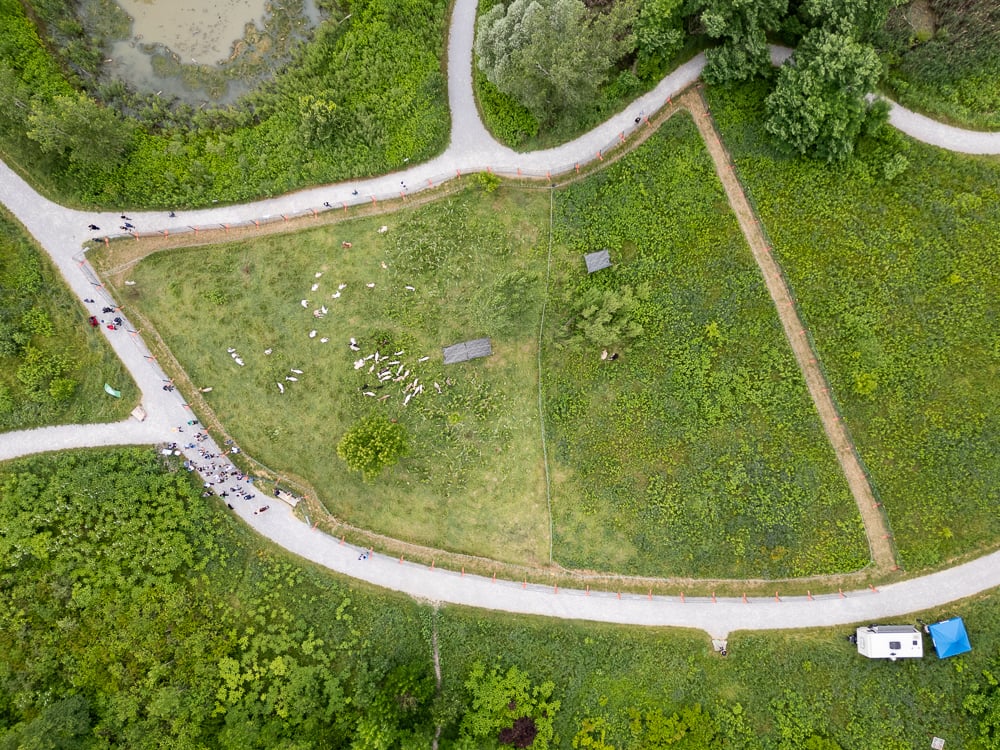
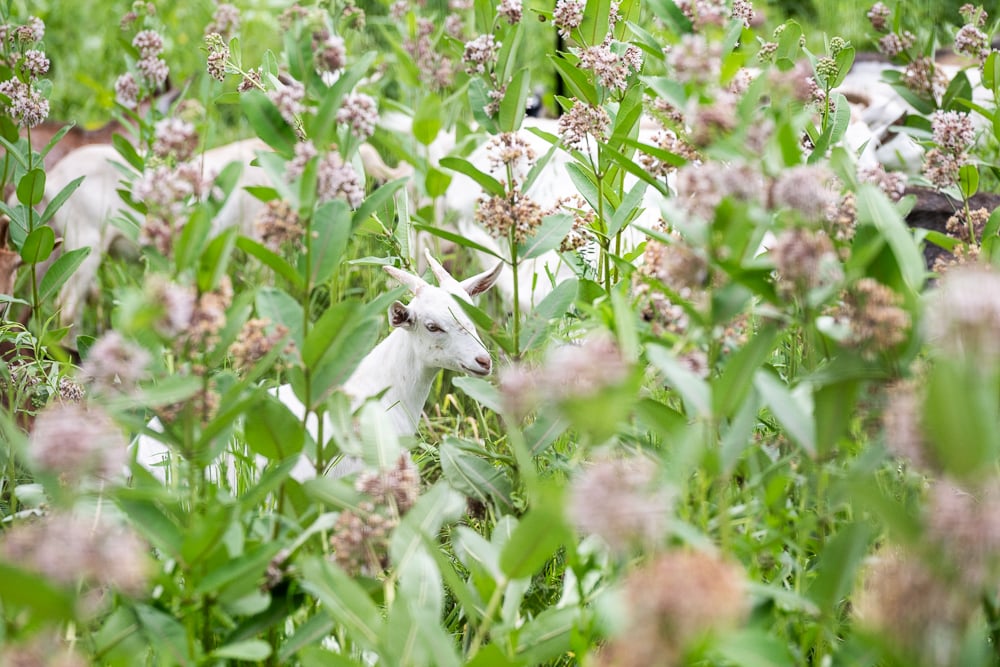
Buckthorn and other woody vegetation were beginning to change the structure of an urban meadow, while important native plants and active bird habitat needed to be protected. Over two grazing seasons the Eco-Herd targeted woody growth through carefully monitored prescribed grazing, allowing the project team to manage vegetation pressure while closely watching milkweed use and wildlife activity.
All photography on this page by Matt Forsythe, on behalf of City of Toronto.
The Challenge
Woody invasive growth was steadily closing in on an open meadow that supports pollinators, milkweed, and nesting birds. Conventional equipment would have disturbed the ground and the wildlife using it, and herbicide was not an option in a heavily visited public park.
- Established buckthorn threading through native meadow plantings
- Active bird and pollinator habitat requiring careful timing
- No herbicide or heavy machinery permitted in the meadow
- High visitor traffic throughout the grazing window
The Grazing Approach
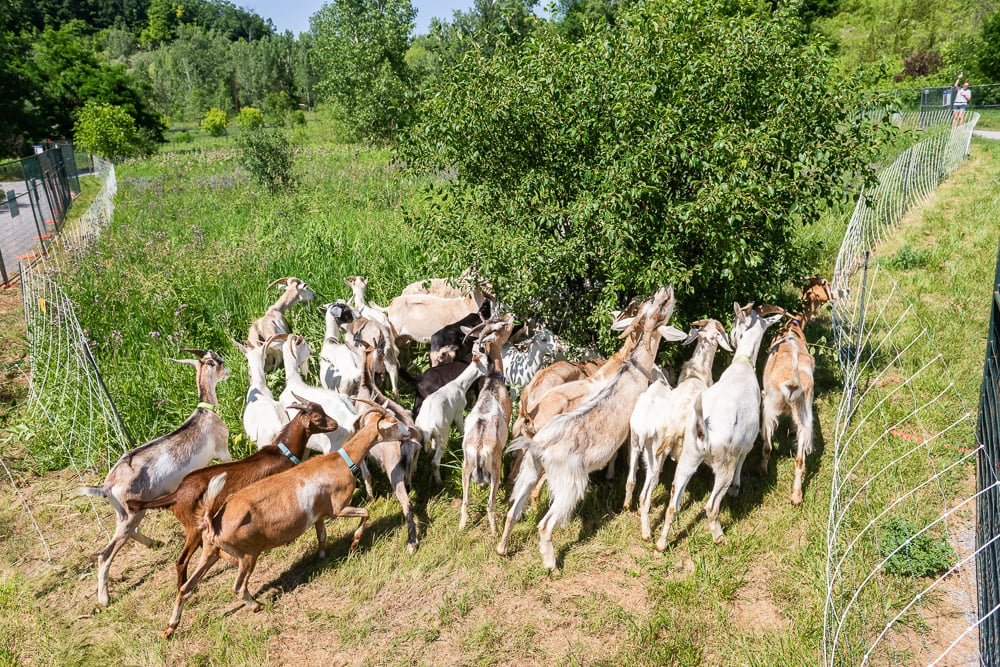
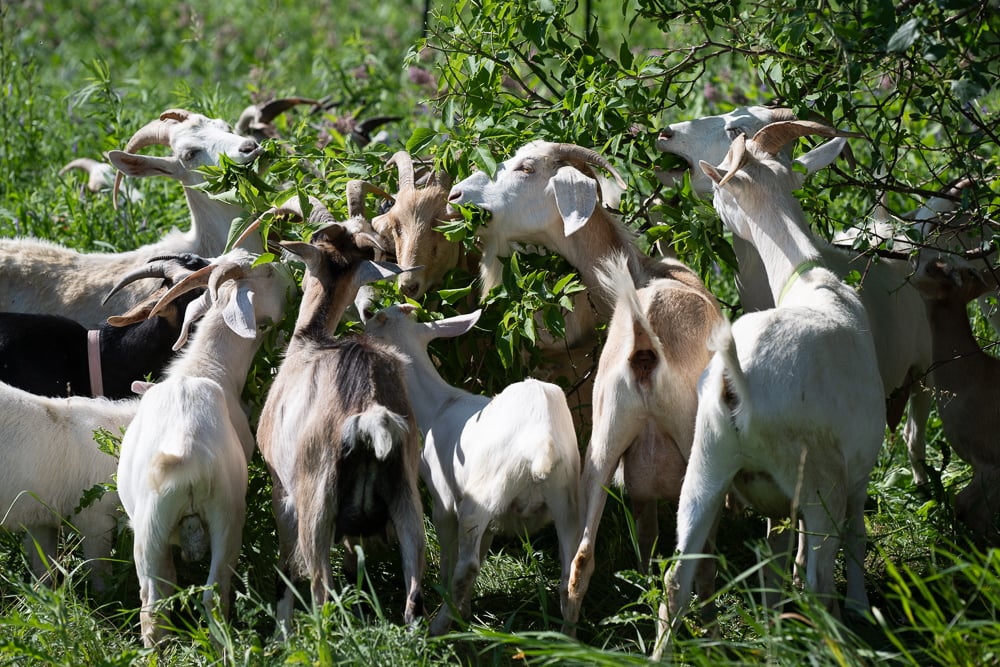
The herd was rotated through mobile fenced grazing areas along the meadow edge, browsing buckthorn leaves, stems, and bark while native forbs recovered between passes. Grazing windows were timed around nesting activity, and project staff monitored milkweed and wildlife use throughout.
- Portable electric fenced grazing areas rotated along the meadow edge
- Grazing timed around nesting and pollinator activity
- Daily monitoring of milkweed and native plantings
- Return visits in a second season to maintain pressure on regrowth
Before and After
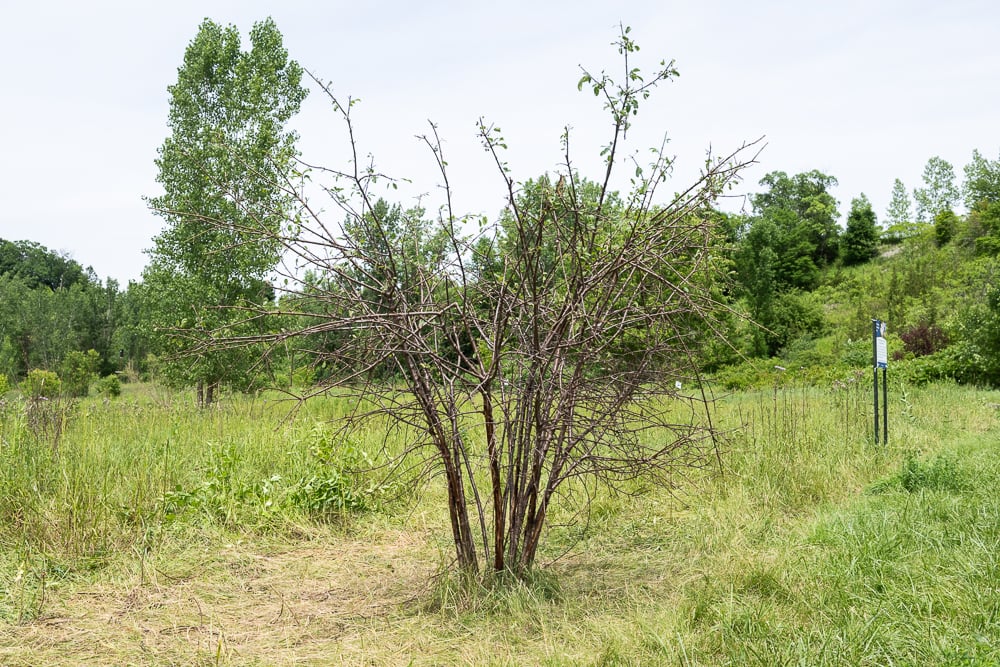
The project placed grazing pressure on buckthorn and other woody vegetation while helping preserve the structure of the open meadow.
Results
Two seasons of prescribed grazing reduced woody vegetation pressure across the managed area while native meadow plants and pollinator habitat remained intact. The project also became a visible public demonstration of how prescribed grazing can work at an urban scale.
No herbicides or heavy equipment on sensitive ground
Native plants and pollinator habitat preserved
Manure returned to the soil in low-impact quantities
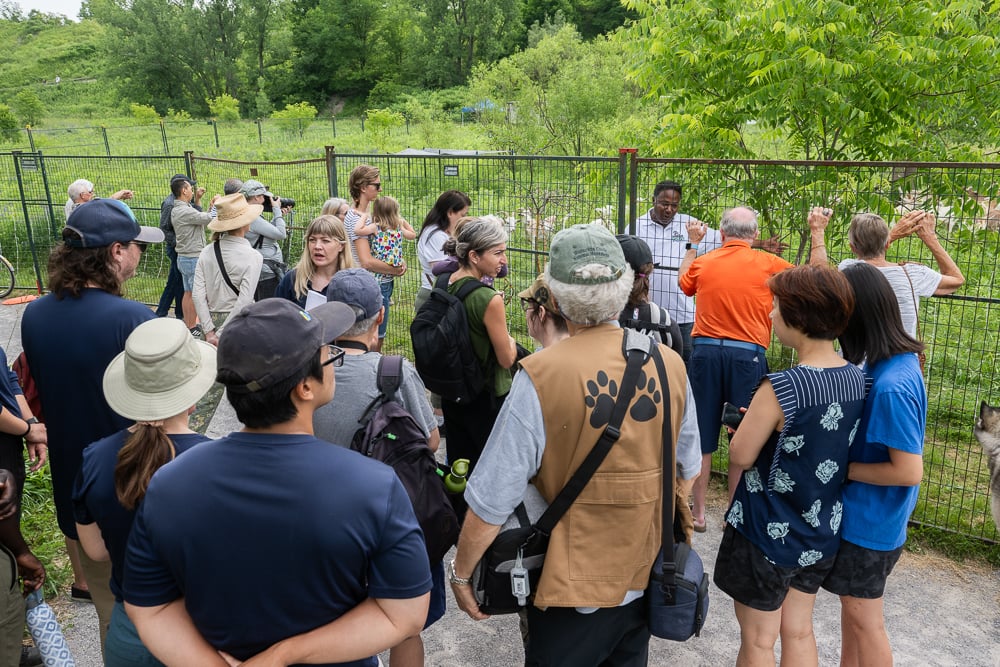
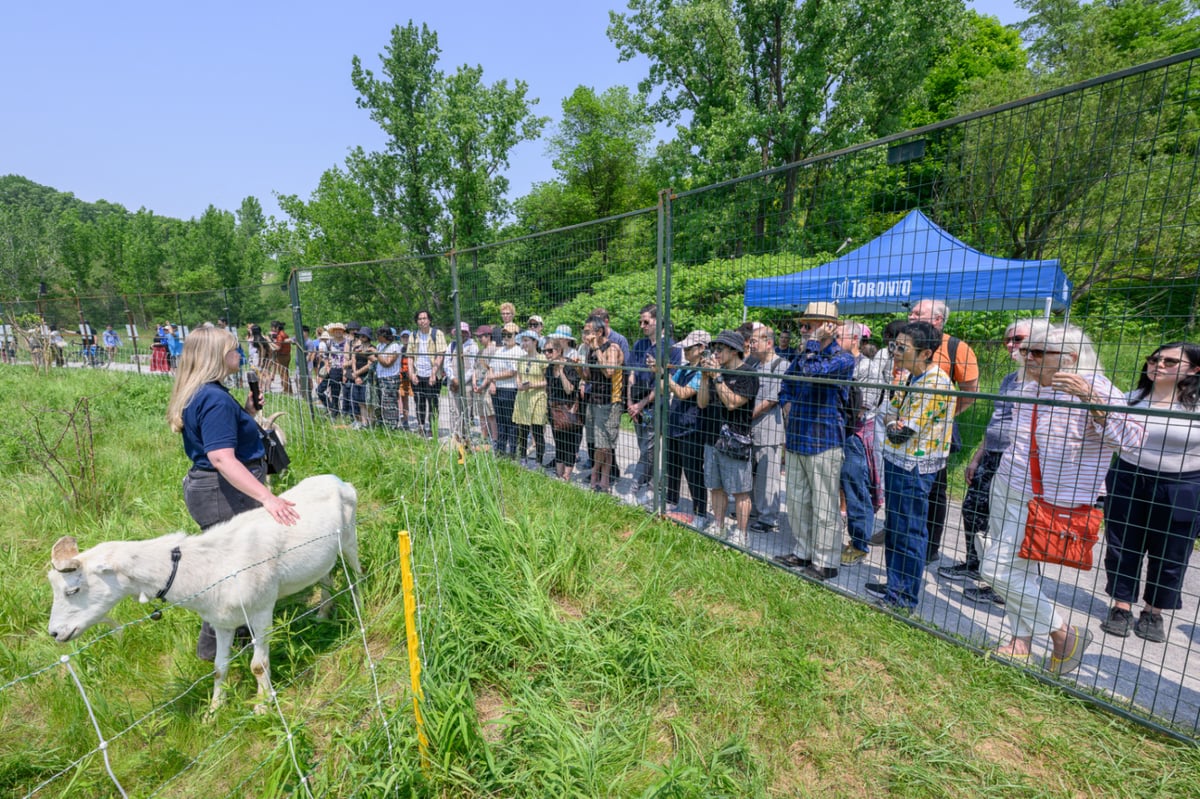
Strong public engagement and education opportunity
Project Gallery