Project Overview
A closer look at this project
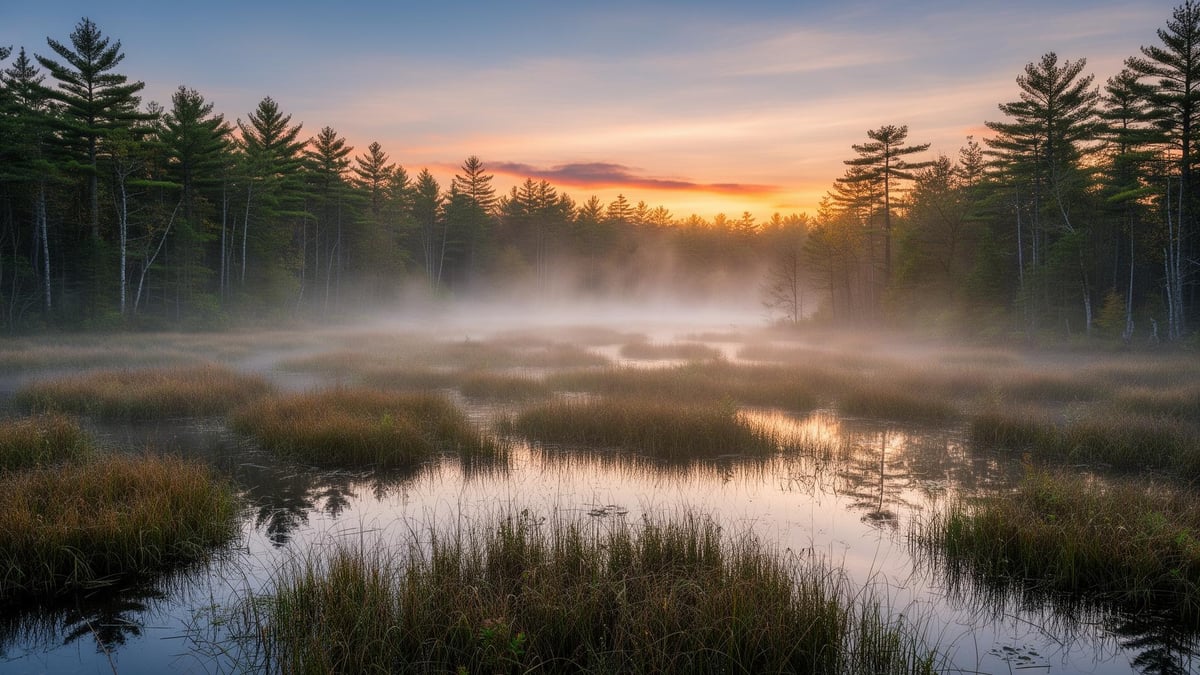
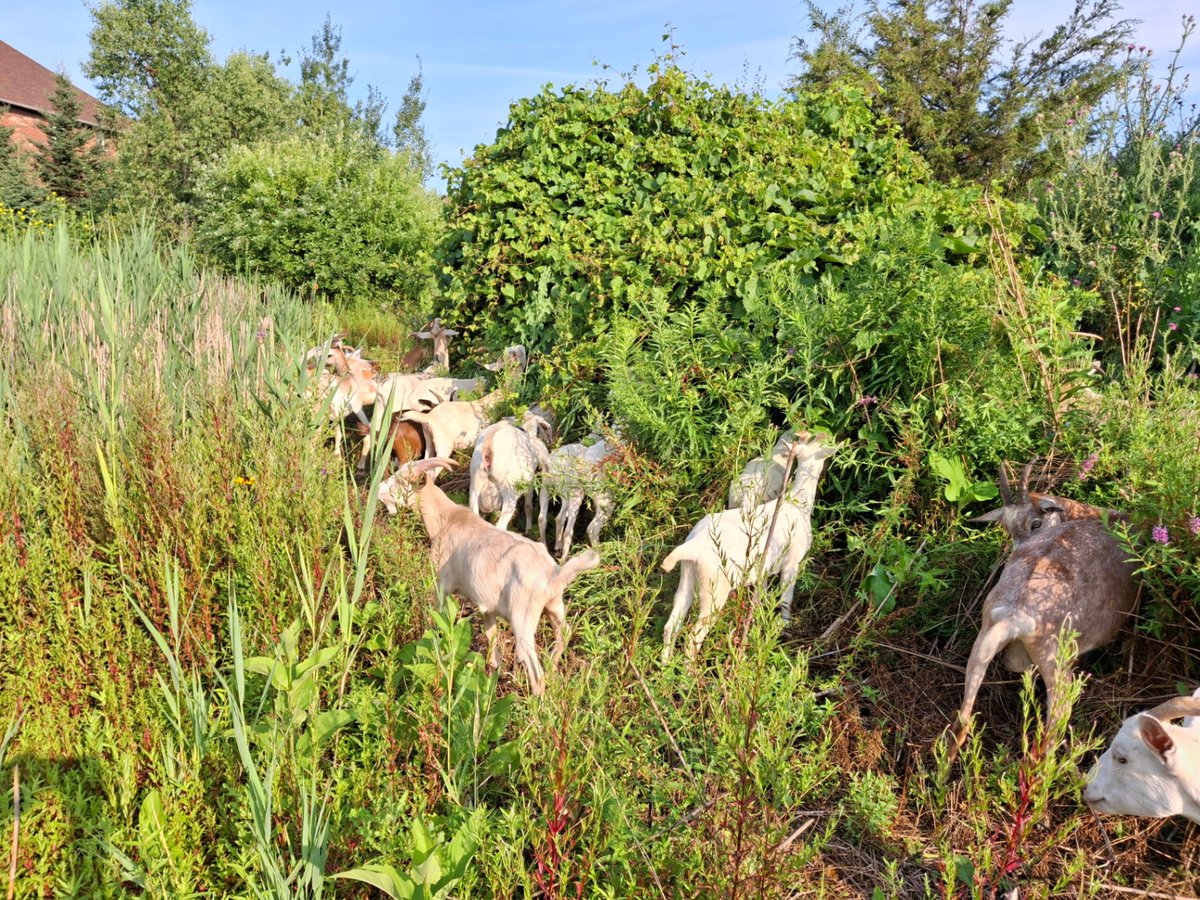
O'Connor Park includes a sensitive wetland and pond habitat used by turtles and other wildlife. Invasive vegetation around the wetland needed to be managed while protecting water quality, habitat function, and the animals using the site. Across two seasons the Eco-Herd provided a carefully managed, low-impact option for reducing vegetation pressure around the wetland while keeping habitat protection at the centre of the project.
The Challenge
Work around an active wetland ruled out fuel-powered equipment and chemical treatment. The vegetation had to be managed without disturbing turtle habitat, water quality, or the native plants stabilising the shoreline.
- Sensitive turtle habitat adjacent to the work area
- Water quality concerns limiting equipment and chemicals
- Wet, uneven ground unsuitable for machinery
- Native shoreline vegetation to be preserved
The Grazing Approach
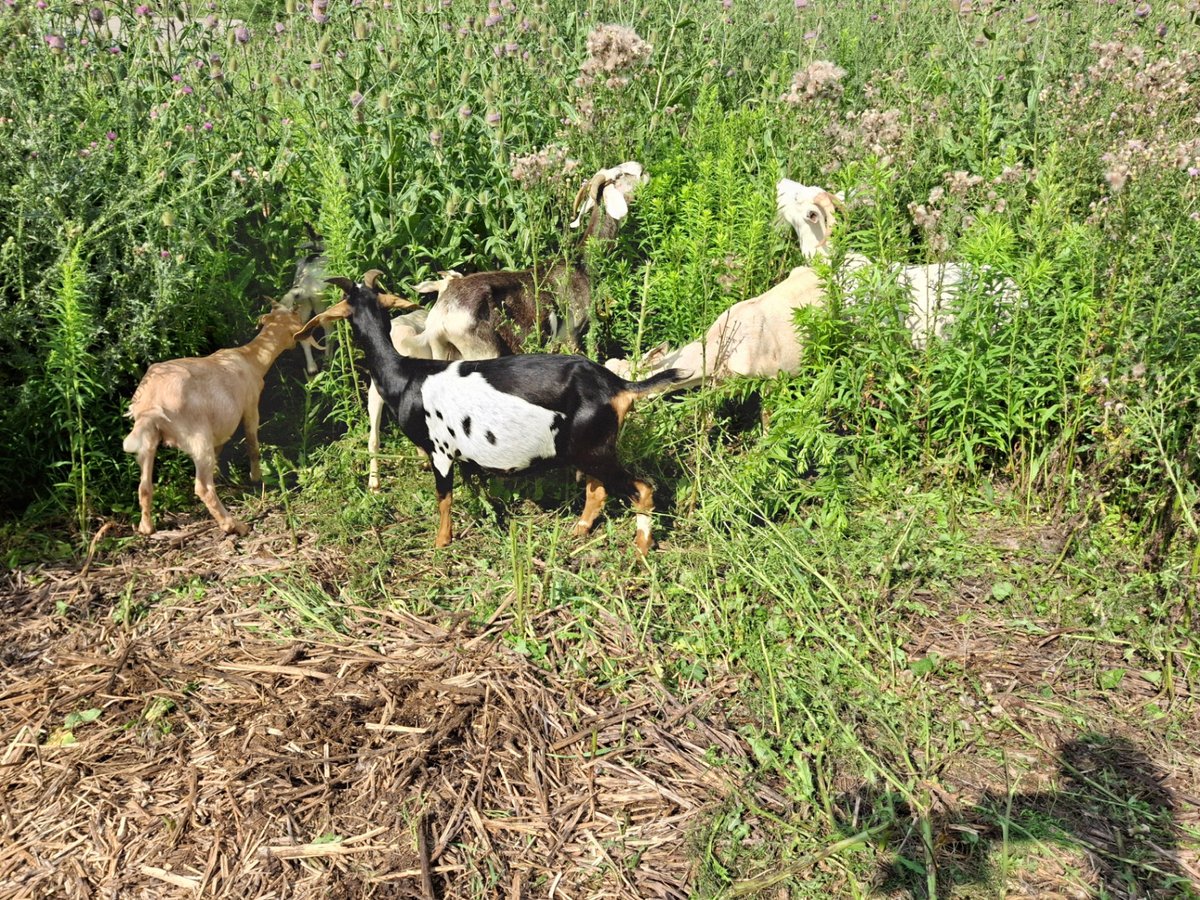
Fenced grazing areas were laid out to keep the herd on stable ground away from the water's edge. Grazing was timed to avoid critical wildlife windows, with the Eco-Shepherd on site throughout and conditions reviewed daily.
- Fenced grazing areas positioned back from the water's edge
- Grazing scheduled around turtle and wildlife activity
- Constant Eco-Shepherd supervision on soft ground
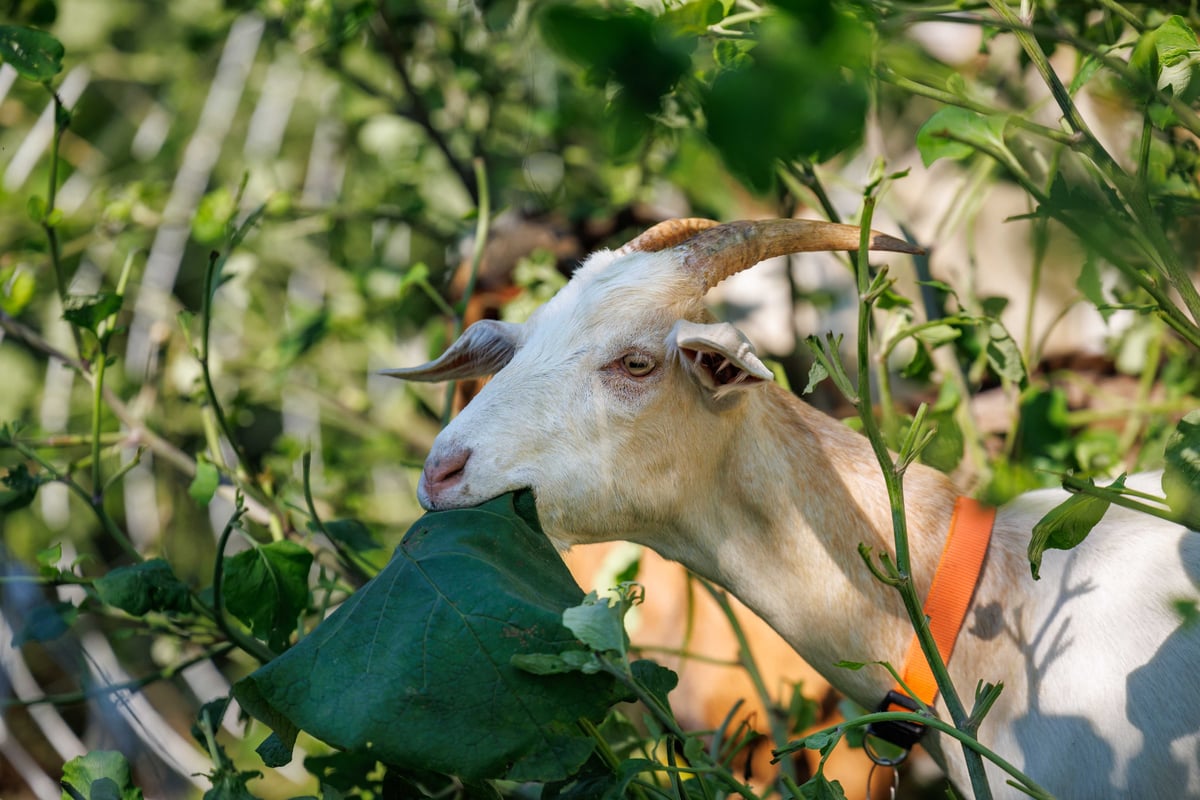
- Selective browsing to leave native plantings intact
Before and After
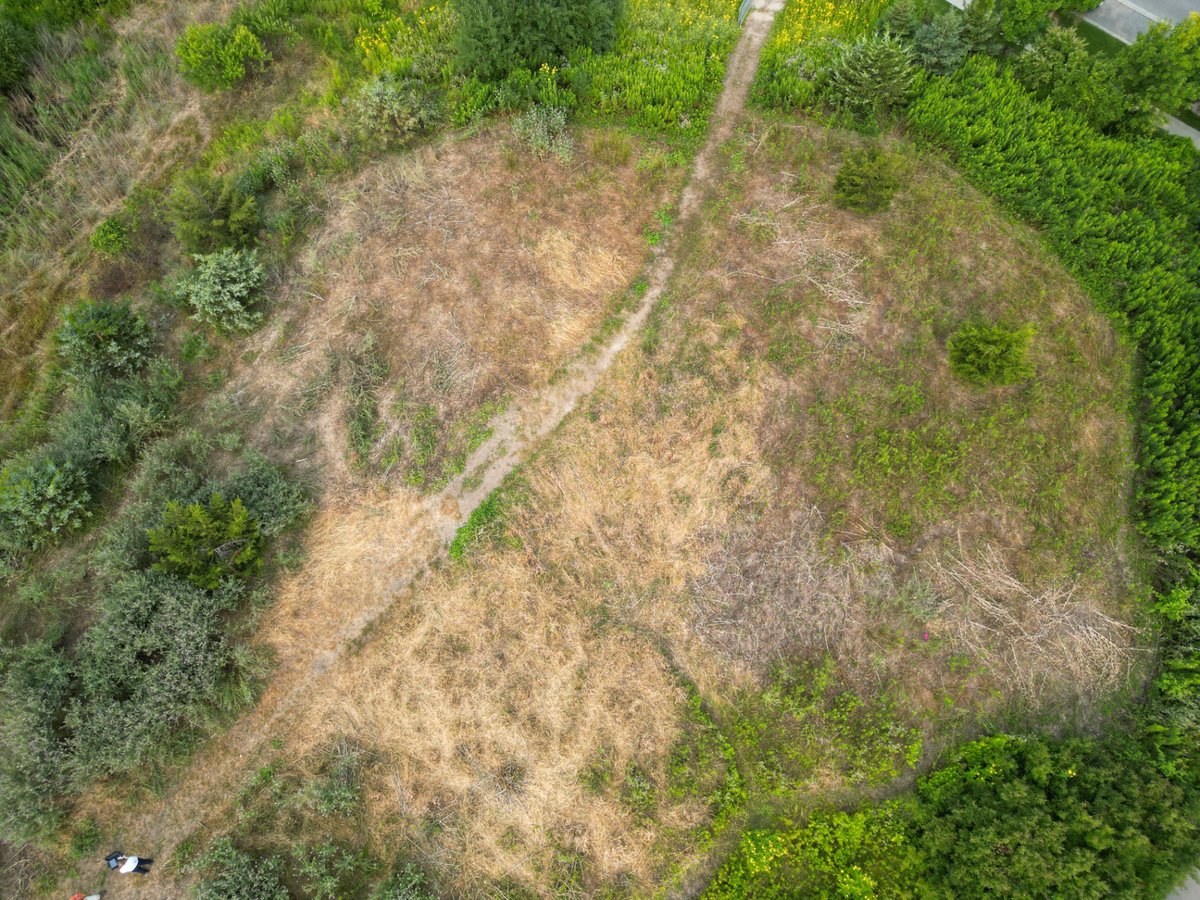
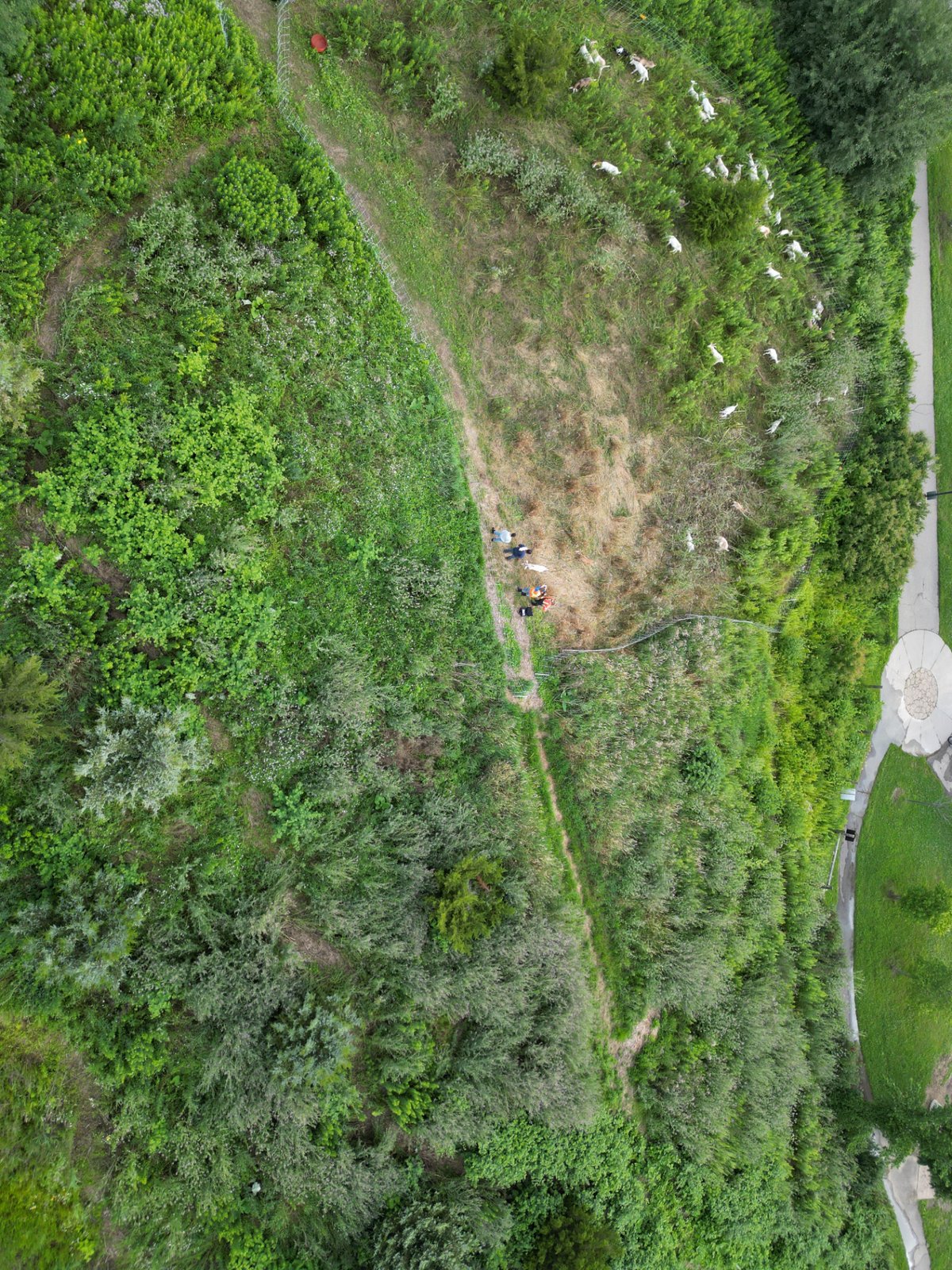
Aerial views of the managed grazing area at O'Connor Park before and after the Eco-Herd's work. The project focused on reducing vegetation pressure while protecting the surrounding wetland and wildlife habitat.
Protecting the Wetland and Turtle Habitat
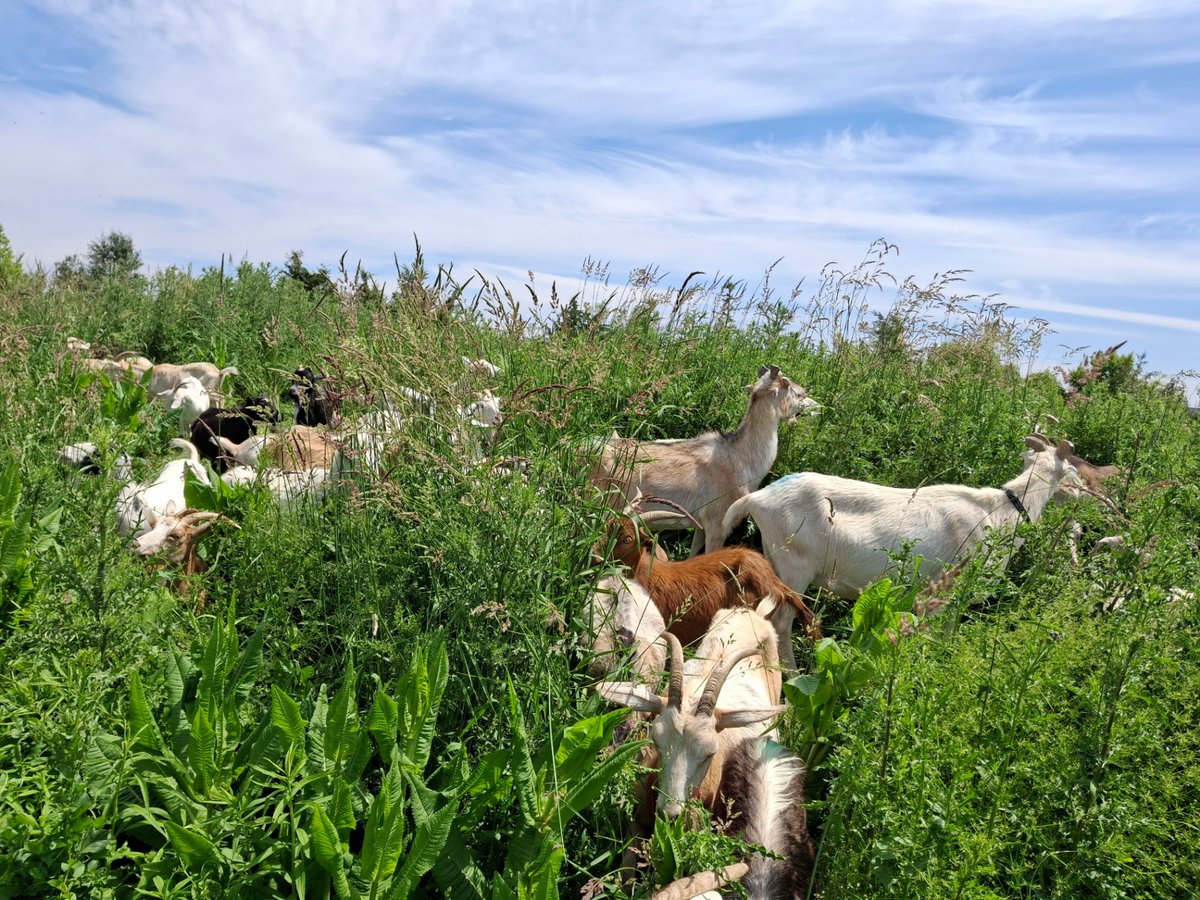
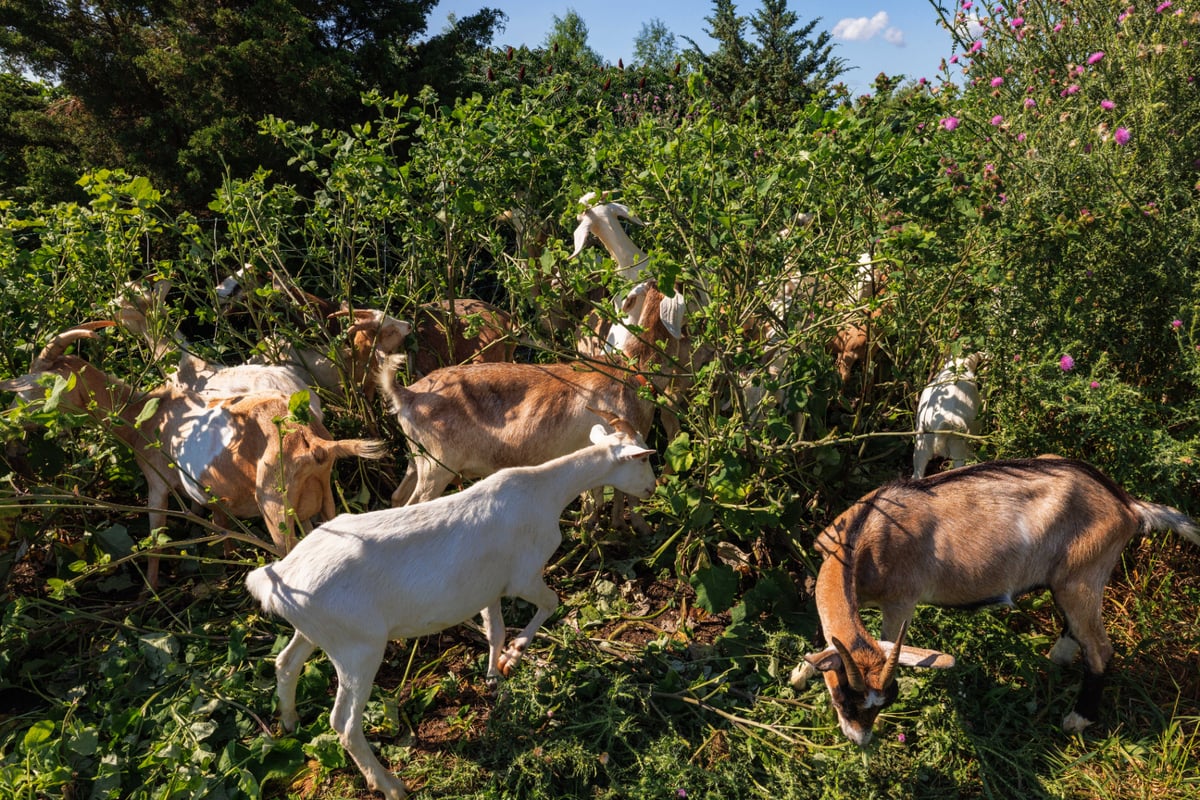
Work was kept back from the water so turtle habitat, water quality, and the native plants holding the shoreline stayed protected while vegetation pressure around the wetland was reduced.
Results
Vegetation pressure around the wetland was reduced without herbicide, machinery, or disturbance to the water. Habitat structure was retained and follow-up restoration work became far easier to carry out.
No herbicides or fuel-powered equipment near open water
Turtle and native habitat protected
Minimal soil disturbance on wet ground
Improved conditions for follow-up native plantings